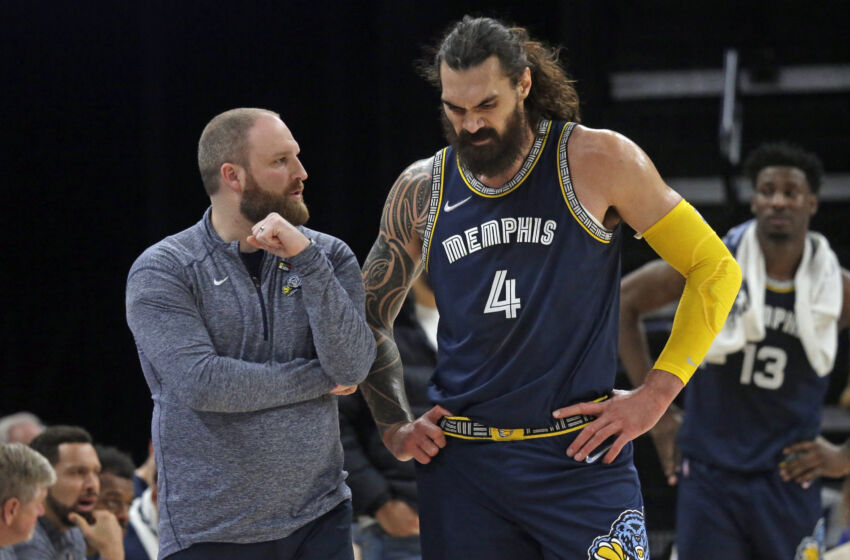
In the world of professional sports, athletes can often face crises of confidence, particularly when returning from injury. Steven Adams, the formidable center of the Memphis Grizzlies basketball team, recently experienced a setback that tested not only his physical resilience but also his mental fortitude. After being sidelined for nine months due to a knee injury, Adams is now close to returning. Despite the confidence of coaching staff in his recovery, during media interviews, Adams openly expressed his apprehension about returning to the court at full throttle just yet, taking it “day-by-day”. We take a look at what is causing this anxiety and the techniques that Adams and the Memphis Grizzlies may need to turn to this off-season.
“For a player like Steven Adams, whose physicality is a crucial aspect of his game, the psychological toll of proneness to re-injury can be particularly pronounced”
The Psychological Impact of Injury
Injury-induced anxiety is a common phenomenon among athletes, regardless of their experience or stature in their sport. Sports psychologists often attribute this to the fear of re-injury and the uncertainty of returning to peak performance levels.
For a player like Steven Adams, whose physicality is a crucial aspect of his game, the psychological toll of proneness to re-injury can be particularly pronounced, despite being an eight-year veteran in the NBA.
The Perception of Self and Injury
Adams’ apprehension may stem from a complex interplay of self-perception and the nature of his injury. Sports psychology suggests that an athlete’s identity is closely tied to their performance on the field. A prolonged absence due to injury can challenge this perception, leading to doubts about one’s abilities to perform to the Grizzlies fans’ and coaches’ expectations.
For a player of Adams’ size and style of play, the process of rehabilitation and regaining confidence can be even more daunting. In podcasts and articles, Adams is often cited as one of the strongest players in the league. The interplay of wanting to live up to this reputation, mixed with the fear of pushing his body to its limits and facing further potential setbacks may be weighing heavily on the New Zealander’s mind.
Rebuilding Confidence through Mindset
Navigating the mental hurdles of injury recovery requires a deliberate focus on building confidence in one’s abilities. Sports psychologists emphasise the importance of adopting a growth mindset – a belief that abilities and intelligence can be developed through dedication and hard work.
For Adams, this means embracing the rehabilitation process, celebrating small victories, and gradually pushing his limits, allowing him to gain confidence through experience and knowing where his body is at. Pre-season scrimmages and matches will be vital for Adams to return with the best possible mindset.
Embracing a Support System
A robust support system can play a pivotal role in an athlete’s recovery journey. Adams’ teammates and coaching staff have a crucial role to play in fostering an environment of encouragement and positivity.
Whilst his coaches may feel like Adams is ready to return to 100% fitness, the Grizzlies organisation ought to take into account the apprehension Adams is feeling. Their unwavering belief in his abilities can serve as a powerful motivator, helping Adams overcome the mental barriers associated with his injury, but they must recognise that Adams may be having doubts about his current abilities to perform and incorporate that into his final recovery process.
GOING FORWARD
Steven Adams’ return to the court after a nine-month hiatus – the longest break he has had in his career – will test his resilience and determination. Navigating the psychological challenges of injury recovery is a journey that requires patience, self-belief, and a supportive community. Despite Adams’ apparent apprehension during media day, his recognition of taking it “day-by-day” and that injury recovery is a “learning journey”, demonstrates his maturity and mental resilience already. By employing sports psychology principles, Adams will be poised to not only regain his former dominance in the paint, but emerge as an even stronger force on the basketball court this season.
 The Athletic Mind
Leave a comment