Half-time team talks have long been a staple of sports, particularly in team games like football, basketball, and rugby, where there is exactly that, a half time break. Coaches and managers gather their players in the locker room to deliver crucial messages, make tactical adjustments, and motivate the team for the second half. Yet this ritual, often shrouded in secrecy, is consistently debated by pundits to such an extent that you could think that the sign of a good coach was one who delivered excellent motivational speeches. But are team talks actually effective, and can they play a psychological role in improving performance in the second half?
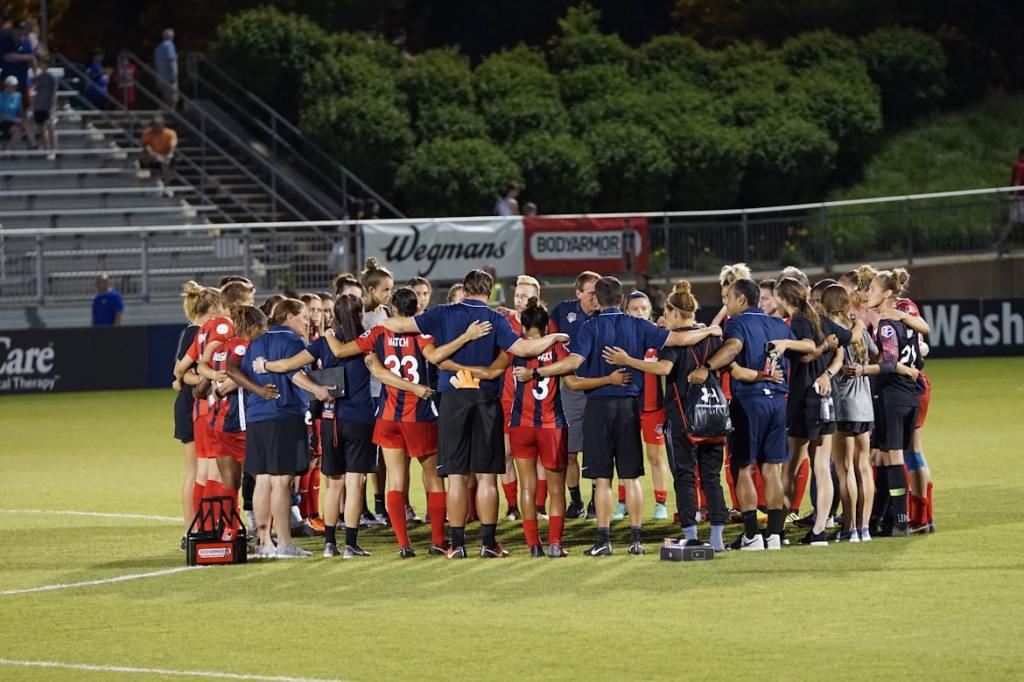
Pundits and supporters alike will have you believe that half-time team talks play a vital role in shaping the outcome of a game. Coaches have the opportunity to analyse the first half, identify areas for improvement, and strategise for the remainder of the match. Of course, these have benefits, shifting tactics and adapting to the current game in play. But, most emphasised are the role of team talks in boosting morale, instilling confidence, and motivating players to perform at their best.
“We ought to remember that these are professional athletes with thousands of hours of experience. Their personal resilience and coping mechanisms during games are already well developed”
I would question the true impact of halftime team talks. Not only are players likely to already be fatigued or distracted by the time they reach the locker room, making it challenging for them to absorb and implement complex instructions, but additionally, the short duration of halftime may limit the depth of communication between coaches and players. In fast-paced games, such as basketball, teams may have only a few minutes to regroup, leaving little time for comprehensive discussions.

The effectiveness of half-time team talks may also vary depending on the coaching style, team dynamics, and individual personalities of the players. While some athletes respond positively to motivational speeches and tactical guidance, the majority of others may prefer a more hands-on approach or require personalised feedback outside of halftime, which can be difficult. We ought to remember that these are professional athletes with thousands of hours of experience. Their personal resilience and coping mechanisms during games are already well developed, and so should the goal of the team talk be to bring these to the forefront of athletes’ minds, rather than to motivate per se?
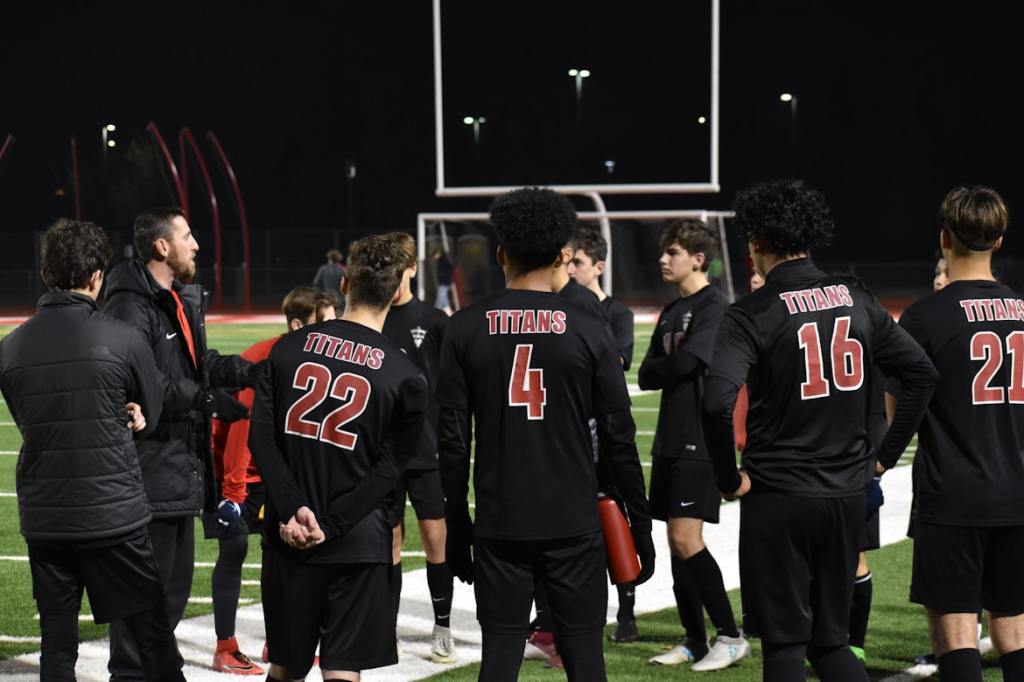
Ultimately, the value of half-time team talks remains a subjective matter. While they have been said to influence momentum and mindset, their impact on the final result may vary from game to game and certainly their impact is overestimated by pundits and even players in later life, who can reminisce with rose-tinted glasses. Coaches must strike a balance between concise communication and meaningful insights to maximise the potential benefits of half-time discussions.
 The Athletic Mind
Leave a comment