In the realm of sports, mental imagery has long been a staple in the athlete’s tool kit to enhance their performance. Mental imagery, also known as visualisation or mental rehearsal, involves vividly imagining oneself performing a particular skill or scenario in the mind. It can be utilised immediately before the sport, or over several weeks or months, using imagery to get familiar with the expected situation.
This technique is widely used across various sports to improve overall athletic performance – psychologically speaking, its benefit to the athlete’s focus, confidence and ability to adapt to pressure situations has been widely evidenced.
One intriguing avenue that has emerged in recent years is the integration of virtual reality (VR) technology into sports visualisation exercises. Whilst athlete’s are usually limited by the strength of their imagination, VR offers a unique platform that can immerse athletes in realistic and dynamic environments, allowing them to vividly experience different scenarios they may encounter during high-pressure events, such as championship games or major tournaments.

One of the key advantages of VR in sports visualisation is its ability to simulate diverse scenarios with unparalleled realism. Athletes can experience the sights, sounds, and even the pressure of a packed stadium, enabling them to familiarise themselves with the feelings of being in an intense atmosphere as much as is possible.
“VR visualisation can be quickly customised to cater to individual athlete needs”
VR gives athletes the opportunity to explore their emotions and immediate reactions to these stimuli, and think through how they might manage these in the real event. All in all, as in normal mental imagery exercises, exposure helps reduce anxiety and build mental resilience, crucial elements for peak performance on the big stage. It is much more difficult to respond to new emotions in the moment where you are expected to perform – the last place you want that is at a major championships.
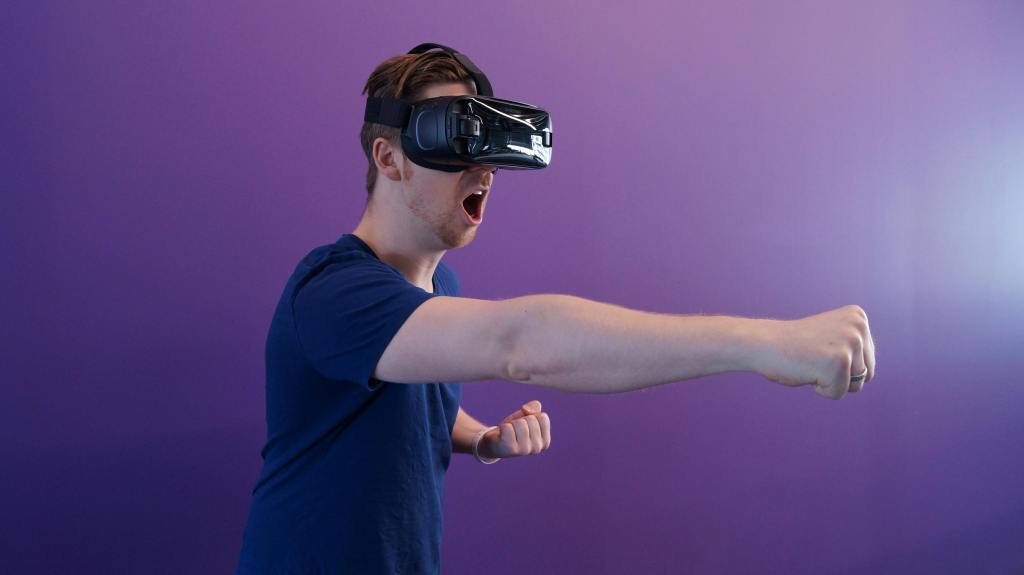
VR visualisation can be quickly customised to cater to individual athlete needs. For instance, a tennis player can practice walking out to centre court at a grand slam final, while a basketball player can simulate making crucial free throws in the dying moments of a game. VR is even being used by golfers to practice putts in high pressure situations, avoiding the ‘yips’. Many find that sense of preparedness invaluable when it comes to the real thing.
The benefits of incorporating VR into sports visualisation extend beyond personal mental readiness. It also provides coaches and sports psychologists with valuable insights into an athlete’s mindset and performance under simulated pressure. By analysing VR-generated data and responses, coaches and psychologists can tailor training programs and mental conditioning techniques to optimise an athlete’s performance potential.
The marriage of VR technology with sports visualisation holds immense promise in acclimatising athletes to high-pressure scenarios and enhancing their mental resilience. As this field continues to evolve, we can expect VR to become an integral tool in the arsenal of sports professionals, fostering greater confidence, focus, and success on the grandest stages of competition. Will we one day see virtual reality headsets being used right on the court, right before the pressure moment?
 The Athletic Mind
Leave a comment